PP #2- Image Enhancement
Image Enhancement Through Targeted Media Campaigns:
How Positive Publicity Shapes Awareness in the Digital Age
In today’s media-saturated environment, organizations face unprecedented challenges in gaining and sustaining public attention. Traditional advertising alone is no longer sufficient to influence perception or build trust. Instead, companies, movements, and individuals increasingly rely on targeted media campaigns and innovative promotional tools designed to enhance image through positive publicity. These campaigns leverage digital platforms, social engagement, storytelling, and interactivity to connect with audiences in meaningful ways. This essay examines several current examples of image enhancement campaigns and evaluates their effectiveness in increasing awareness and shaping public perception.
Understanding Image Enhancement and Targeted Media
Image enhancement refers to deliberate efforts to improve how an organization, product, or movement is perceived by the public. Unlike direct advertising, which focuses on selling, image enhancement emphasizes credibility, emotional resonance, and long-term reputation. Targeted media campaigns are particularly effective in this context because they tailor messages to specific audiences, using platforms where those audiences are already active, such as X (formerly Twitter), Bluesky, Facebook, TikTok, and Instagram.
Modern campaigns often integrate interactive elements—user-generated content, contests, social challenges, or experiential marketing—that transform audiences from passive recipients into active participants. This participatory approach not only increases visibility but also deepens emotional investment and trust.
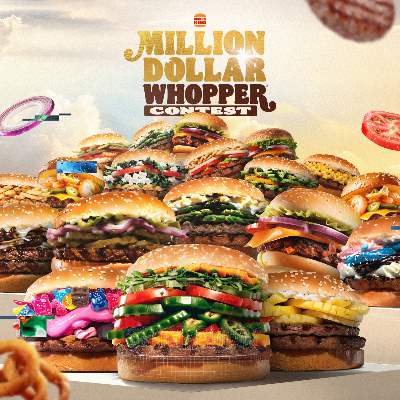
Burger King’s “Million Dollar Whopper”: Participation as Publicity
One compelling example of image enhancement through targeted media is Burger King’s “Million Dollar Whopper” campaign. Rather than promoting a static product, Burger King invited consumers to design their own custom Whopper using artificial intelligence tools. Participants generated personalized images and descriptions of their burgers, which they then shared on social media platforms.
This campaign successfully enhanced Burger King’s image as an innovative and playful brand willing to embrace emerging technologies. By centering the campaign on audience creativity, Burger King shifted attention away from traditional fast-food advertising and toward co-creation. The strategy proved effective because it encouraged widespread sharing, organic engagement, and positive brand association without relying solely on paid media. As a result, Burger King gained significant online visibility while reinforcing a modern, tech-savvy brand identity.

LEGO’s #BuildToGive Campaign: Image Enhancement Through Social Responsibility
Another strong example of positive publicity is LEGO’s long-running #BuildToGive campaign. During the holiday season, LEGO encourages fans to share photos of their LEGO creations using the hashtag #BuildToGive. For each shared post, LEGO donates a set to children in need.
This campaign enhances LEGO’s public image by aligning the brand with generosity, creativity, and social good. Rather than promoting consumption alone, LEGO frames its product as a tool for connection and compassion. The interactive nature of the campaign ensures continuous user participation, while the charitable outcome strengthens trust and goodwill toward the brand.

Duolingo and Cultural Relevance in Digital Media
Duolingo offers a different approach to image enhancement through its highly recognizable social media presence. The brand frequently engages with online trends, memes, and cultural moments, including viral movements such as “Brat Summer.” By humorously inserting its owl mascot into trending conversations, Duolingo positions itself as relatable, self-aware, and culturally fluent.
This strategy is particularly effective among younger audiences who value authenticity and humor over polished corporate messaging. Duolingo’s use of platform-native content on TikTok, X, and Instagram allows the brand to feel like a participant in digital culture rather than an outsider attempting to advertise within it.

American Eagle and Aerie: Values-Based Branding
American Eagle and its sub-brand Aerie provide an example of image enhancement through values-driven messaging. Recent campaigns have emphasized body positivity, authenticity, and transparency, including Aerie’s decision to limit artificial intelligence manipulation in advertising imagery. Coupled with celebrity partnerships and influencer collaborations, these campaigns reinforce the brand’s commitment to realism and inclusivity.
This strategy has proven effective because it responds directly to consumer concerns about unrealistic standards in fashion advertising. By taking a public stance on these issues, American Eagle strengthens its emotional connection with audiences and differentiates itself from competitors. Positive publicity emerges not just from visibility, but from perceived ethical alignment with consumer values.
Why These Strategies Are Effective
Across these examples, several key factors contribute to successful image enhancement. First, interactivity increases engagement by making audiences part of the message. Second, authenticity and value alignment foster trust and emotional connection. Third, strategic platform use ensures that messages reach audiences in spaces where they are most receptive. Finally, combining digital and real-world experiences deepens impact and extends visibility.
Conclusion
Targeted media campaigns designed for image enhancement play a critical role in shaping awareness and public perception in the digital age. Whether promoting products, brands, institutions, or social causes, the most effective strategies prioritize participation, authenticity, and relevance. By focusing on positive publicity rather than overt persuasion, these campaigns build long-term trust and emotional resonance. In an environment where audiences are increasingly skeptical of traditional advertising, image enhancement through targeted media is not just effective—it is essential.

Comments
Post a Comment